Executive Summary
- Rapid tests often miss early infections ("window period" failure).
- Reference labs use PCR (Polymerase Chain Reaction) to amplify DNA for >99% accuracy.
- Clinics prefer rapid tests for speed and profit margins, not necessarily your safety.
The Comfortable Lie of Rapid Testing
In the anxious moments of a clinic visit, a 15-minute result feels like a blessing. You get a swab, wait briefly, and walk out with a negative result. It feels safe. It feels resolved. But in the reality of molecular biology, that negative result might be a statistical error. If you are still working out what an STD test covers in the first place, start with what STD testing is.
Here is the hard truth: Rapid antigen and antibody tests—what you typically get at a walk-in clinic—have an accuracy range that fluctuates between 80% and 92% depending on the brand and the viral load. That implies a roughly 1 in 5 chance that a negative result is a false negative.
The Science: Antibodies vs. DNA
To understand why rapid tests fail, you have to understand what they are looking for. Rapid tests are usually "serological," meaning they are looking for your body's immune response (antibodies) to an infection, not the infection itself.
It takes time for your body to produce antibodies—often weeks. This is called the Window Period. If you test during this window, you will test negative, even if you are infected and contagious.
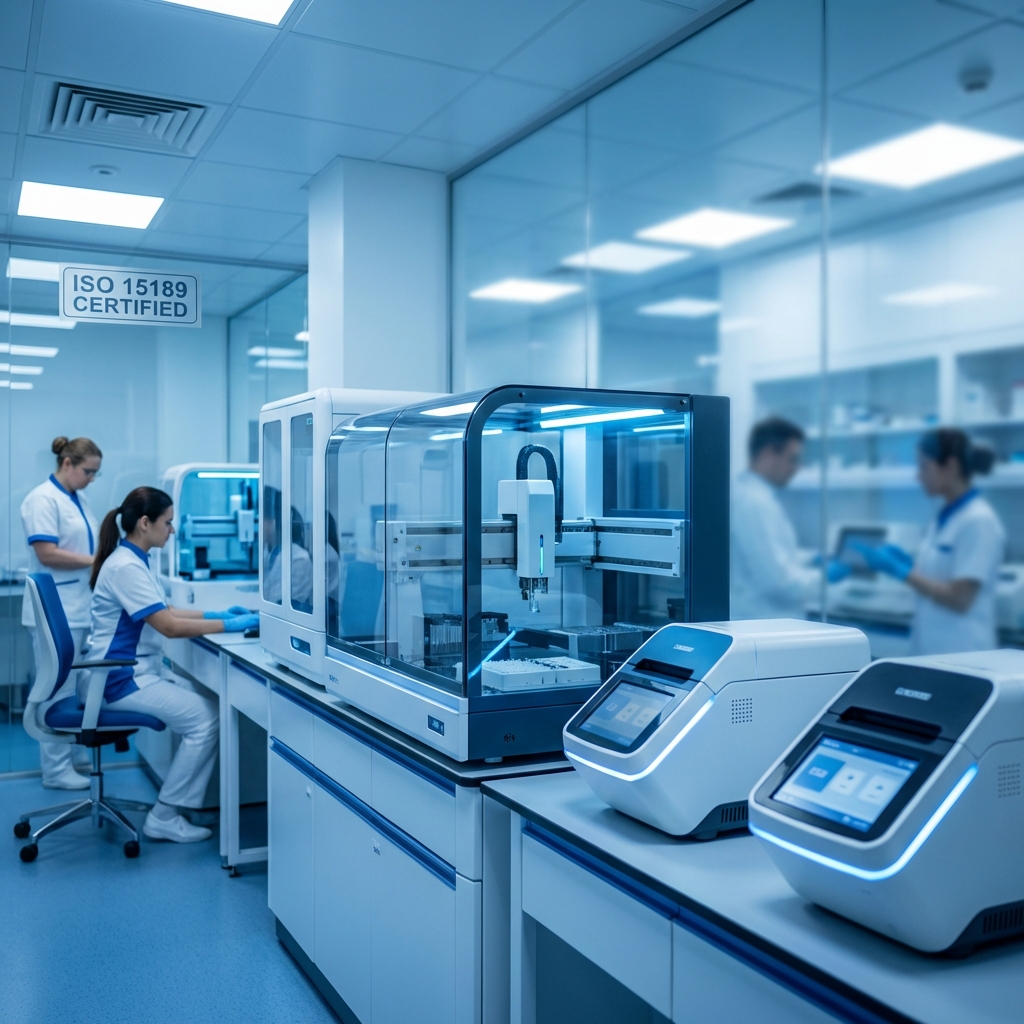
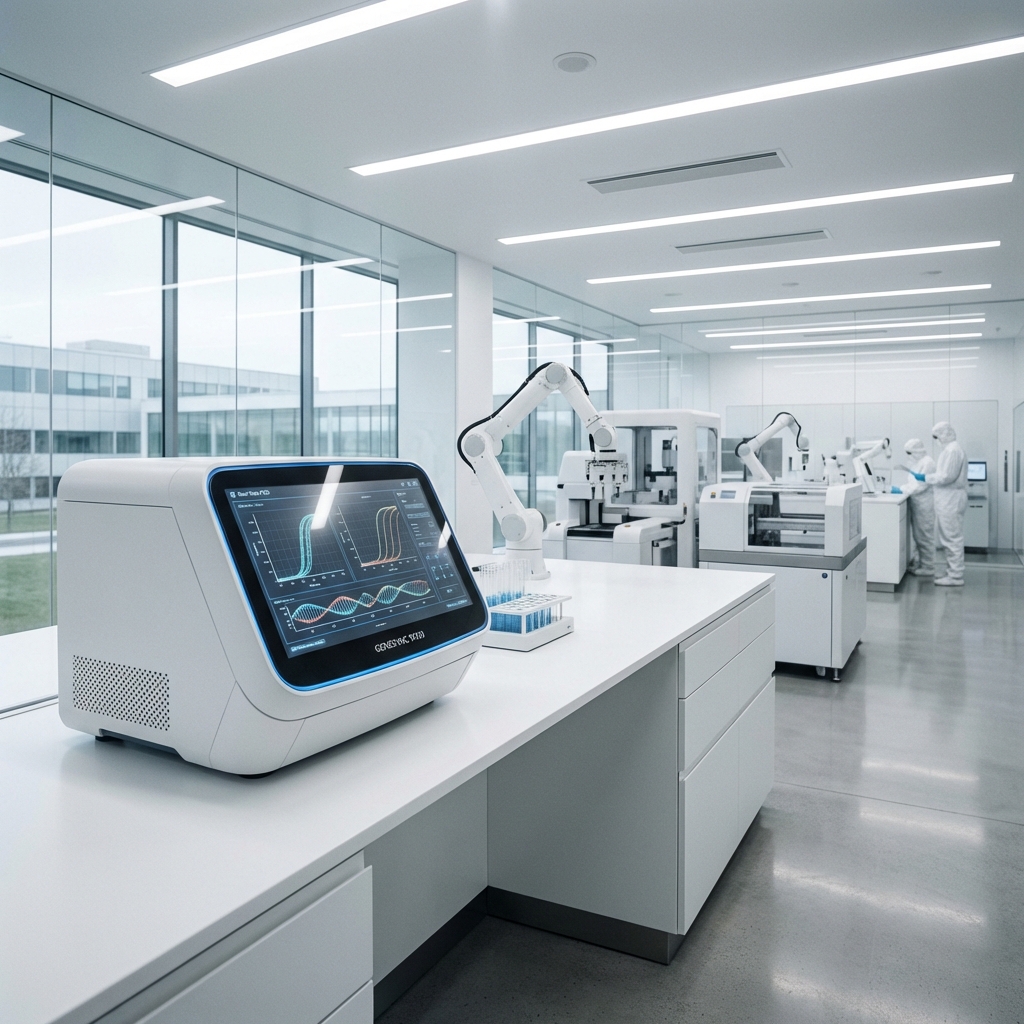
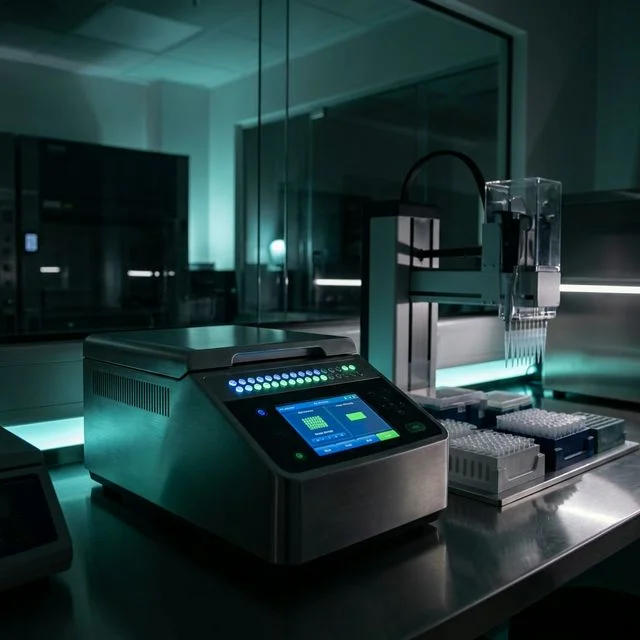
PCR Technology (Nucleic Acid Amplification) works differently. It doesn't wait for your immune system. It acts as a molecular copy machine, finding tiny fragments of the pathogen's DNA/RNA and amplifying them billions of times. If even a trace of the bacteria or virus is present, the machine will find it.
| Feature | Rapid Test (Clinic) | PCR / NAAT (Lab) |
|---|---|---|
| Target | Antibodies (Immune Response) | Pathogen DNA/RNA |
| Sensitivity | 80 - 92% | > 99% |
| Window Period | 2 - 12 Weeks | 3 - 10 Days |
| Risk | False Negatives likely | Gold Standard |
The Economic Reality
If PCR is vastly superior, why do most clinics push rapid tests?
1. Speed sells. Patients want to know "now," even if the answer is less reliable.
2. Margins. A rapid test cassette costs a clinic very little but can be sold for a
high markup with zero lab fees.
At CheckThatMate, we operate a "Ghost Protocol" model. We don't have the overhead of a clinic, so we invest entirely in Real-Time PCR analysis. We believe you pay for the truth, not for a comfortable waiting room.
Don't rely on a coin flip.
Get medical-grade certainty with anonymous PCR testing.
Book Precision Test