Ceftriaxone is the last antibiotic still working reliably against Neisseria gonorrhoeae in Thailand — and that position is eroding. WHO surveillance recorded 0% Ceftriaxone resistance in Thailand in 2023; by 2026, models put the figure at 5.0%. That is why a NAAT-confirmed diagnosis before treatment now matters more than it used to: treating on symptoms alone risks using an antibiotic the strain has already outrun. Syphilis and Ureaplasma are part of the same 2026 picture, but gonorrhea's resistance is what is changing how testing and treatment need to work.
In this Guide:
Why "Super Gonorrhea" Is the Harder Problem
Gonorrhea is becoming smarter. Neisseria gonorrhoeae has historically developed resistance to every antibiotic used to treat it. We are now down to one reliable last line of defense: Ceftriaxone.
In 2023, WHO surveillance showed 0% resistance to Ceftriaxone in Thailand. By 2026, models suggest that figure has risen to 5.0% — the trend line, not the current number, that makes this worth watching closely.
Antibiotic Effectiveness Map (2026)
What Resistance Actually Means for You
A rising resistance rate changes what happens in the exam room: fewer antibiotics reliably work, so there's less room for error if the first prescription is wrong. A clinician who treats "probable gonorrhea" on symptoms alone, without confirming what's actually there, is gambling with one of the few options left — and every mismatched course of antibiotics gives surviving bacteria another chance to adapt, part of how Ceftriaxone became the last drug still standing.
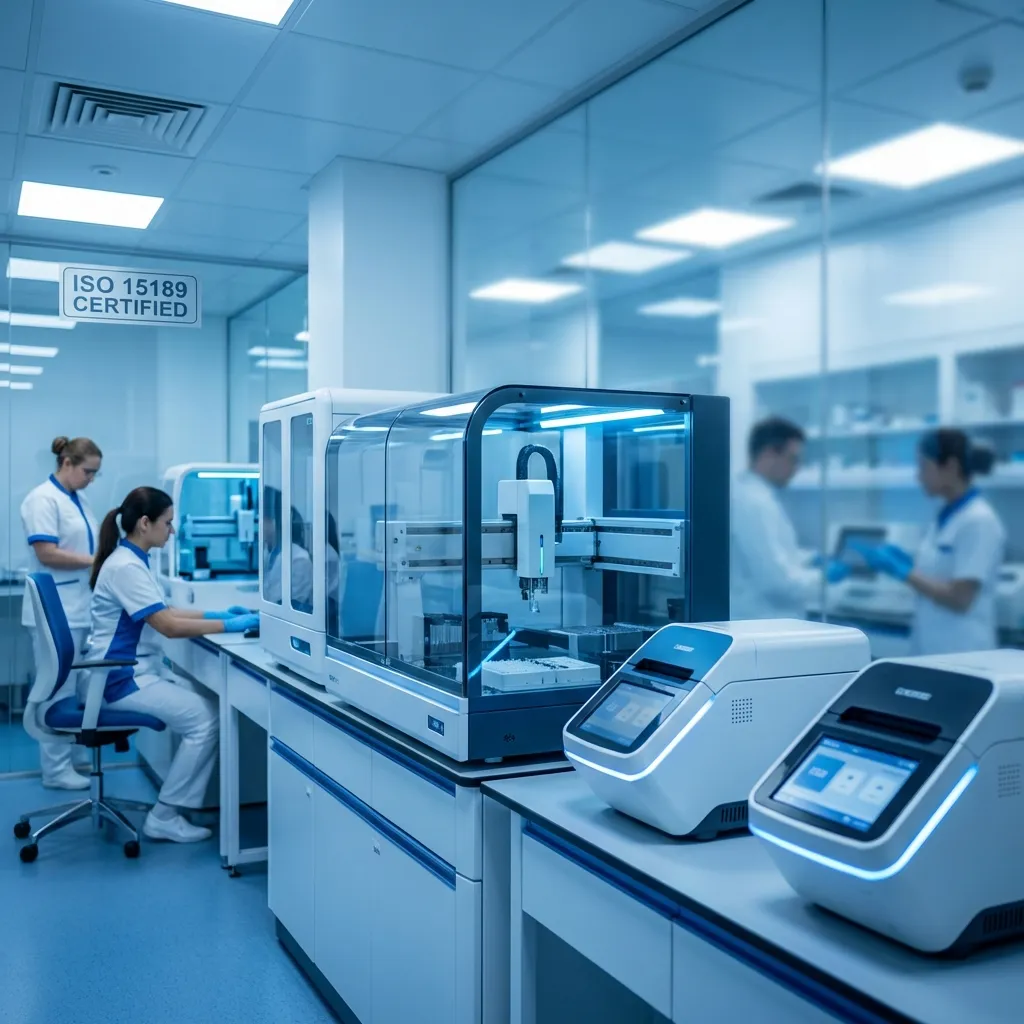
This is why confirmed diagnosis matters more here than for almost any other STI. A rapid antigen or antibody test depends on your immune system reacting first, and can still come back negative early in an infection. Nucleic acid amplification testing (NAAT) — commonly called PCR — looks directly for the bacteria's own genetic material instead, flagging an active infection earlier and with far fewer false negatives. With a shrinking list of drugs that still work, the gap between confirmed and guessed is no longer academic.
Where Syphilis Fits In
Syphilis is the other bacterial infection climbing in Bangkok right now, and it earned the nickname "The Great Imitator" for a reason: its early sores are usually painless and turn up in places people don't inspect — the rectum, the throat, inside the vagina — so they go unnoticed until the infection has already progressed to a harder-to-treat stage.
The same testing logic from the gonorrhea section above applies here — a same-day antibody test can still miss an early infection, which is exactly the gap molecular PCR testing is built to close. Read the full syphilis testing guide →
Where Ureaplasma Fits In
Ureaplasma raises a different question entirely — not "how resistant is it" but "is it even the problem." It's an extremely common bacterium, present in a large share of sexually active adults, and in most people it lives quietly with no symptoms at all, much like many of the bacteria in your gut.
Whether it needs treating comes down to your symptoms and what else your test results show — not a resistance story like gonorrhea's. Read the full Ureaplasma guide →
The Takeaway
The real shift in Bangkok's bacterial STI picture isn't that infections are circulating — it's that gonorrhea is quietly running out of medicines that cure it. Treatment guesses carry more risk than they used to, and confirming what you actually have before treating is no longer optional.
If you're sexually active in Bangkok, that means testing before treating — for gonorrhea, and for the syphilis and Ureaplasma questions covered in our dedicated guides. An anonymous STD test in Bangkok takes under 15 minutes at a partner lab, with PCR results back the same day.