
Bangkok's sexual landscape has shifted. The tools we used in 2019 are failing in 2026. Here is why your "negative" result might be wrong, and how molecular biology offers a definitive answer.
The Silent Explosion: Why Now?
Medical data is rarely terrifying, but the 2026 epidemiological curves for Bangkok are an exception. Syphilis rates have not just risen; they have vertically spiked—up 300% since 2019. In Silom, Sukhumvit, and Sathorn, incidence rates now rival those of the 1980s.
Why this sudden resurrection of a medieval disease? The data points to a "Perfect Storm" of three factors:
1. The "App Effect" Velocity

The Insight: Geo-location dating apps have reduced the time between "match" and "contact" to under 30 minutes. This velocity outpaces traditional contact tracing. A single transmission node can infect dozens before the first symptom appears.
2. The PrEP Paradox

PrEP works perfectly for HIV. That is its triumph and its trap. Because user feel invulnerable to the "big one" (HIV), condom usage has dropped to historical lows. Syphilis, a bacterium, exploits this unprotected mucosal contact effortlessly.
3. Chemsex Dynamics
Private "High Fun" events in condos bypass public health interventions. In these high-adrenaline environments, risk assessment dissolves. The shared use of equipment or prolonged contact creates "super-spreader" dynamics that public clinics cannot track.
The "Clinic Test" Failure
You walk into a standard clinic. They prick your finger. 15 minutes later, they say "Negative." You might still have Syphilis.
Clinical Warning
The Window Period Gap: Standard rapid tests look for antibodies (your body's reaction). But your body can take 3 to 6 weeks to produce these antibodies. During this time, you are infectious, but the test measures "Negative."
This is the "Seroconversion Danger Zone."
If you test too early after exposure (e.g., 3 days after a party), a standard antibody test is effectively blind. It cannot see the bacteria replicating in your system.
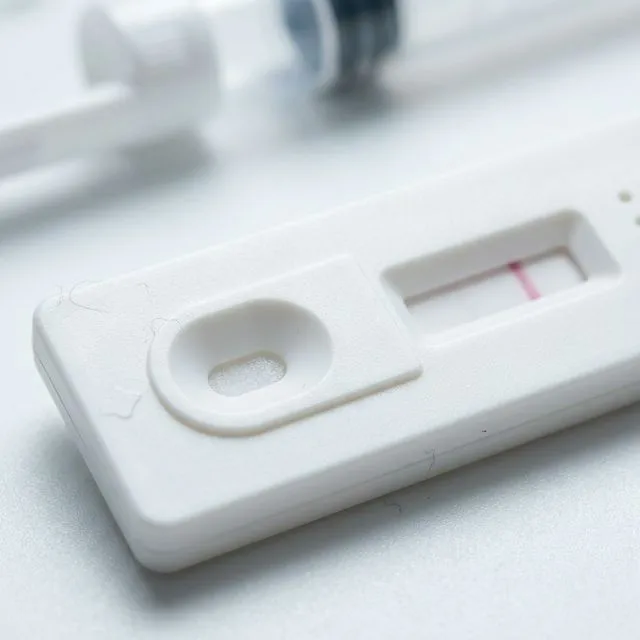
Enter Molecular PCR (NAAT)
To solve this, we moved from immunology (looking for reaction) to molecular biology (looking for the intruder).
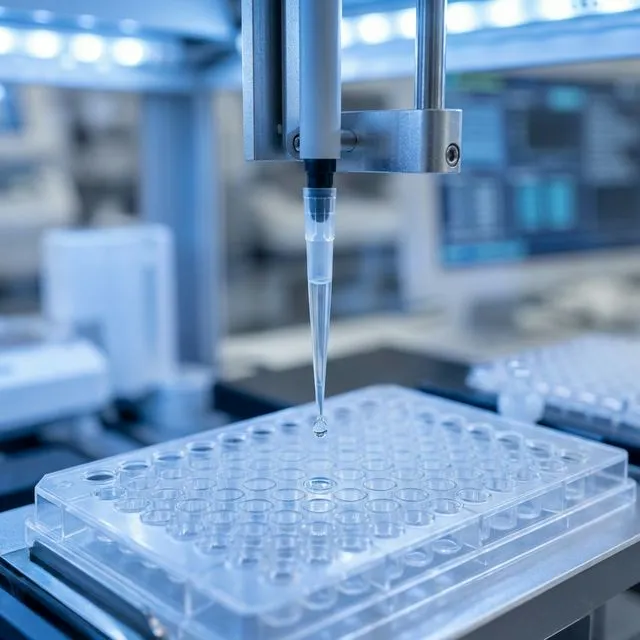
Nucleic Acid Amplification Testing (NAAT) does not wait for your immune system. It hunts for the specific DNA sequence of Treponema pallidum itself.
If the bacteria is present—even in tiny amounts, days after exposure—the PCR machine amplifies that DNA millions of times until it lights up. It finds the infection weeks before a standard test can.
The Comparison: Old vs New
| Feature | Clinic Rapid Test | PCR (NAAT) |
|---|---|---|
| Window Period | 21-90 Days | 7-10 Days |
| Accuracy (Early) | ~60-70% (Often False Neg) | 99.9% |
| Sample Type | Blood (Antibody) | Direct Swab / Urine |
| False Negatives | High in early infection | Extremely Low (>99% Sensitive) |
| Privacy | ID Card Required at Clinic | Ghost Protocol (Anonymous) |
DoxyPEP: The Morning-After Strategy
A new preventative layer has emerged: DoxyPEP. The concept is simple: taking 200mg of Doxycycline within 72 hours of a condomless encounter. Clinical trials have shown monumental efficacy—reducing syphilis and chlamydia acquisition by over 70% in high-risk groups.
*Note: DoxyPEP is available via consultation through CheckThatMate's telemedicine network. It requires a prescription.
Ghost Privacy: Why It Matters
In a city where everyone knows everyone, seeing a doctor can be a social risk. We engineered the Ghost Protocol to decouple your medical data from your identity.

You register with a code. You test with a code. Your results enter a secure portal accessible only by you. No receptionist reads your name. No waiting room encounters. Just data.
Stop Guessing. Start Knowing.
If you have had a risk event in the last 10 days, a standard clinic test will not help you. Get the 14-Panel PCR test delivered to your condo today.
Scientific References
- CDC. Syphilis - CDC Fact Sheet. Centers for Disease Control and Prevention.
- Workowski KA, Bachmann LH, Chan PA, et al. Sexually Transmitted Infections Treatment Guidelines, 2021. MMWR Recomm Rep 2021;70(No. RR-4):1–187.
- Kojima N, Klausner JD. An Update on the Global Epidemiology of Syphilis. Curr Epidemiol Rep. 2018;5(1):24-38.
- Ghanem KG, Ram S, Rice PA. The Modern Epidemic of Syphilis. N Engl J Med. 2020;382(9):845-854.
- Luukkainen A, et al. Performance of VDRL and RPR tests in the diagnosis of primary syphilis. Sex Transm Dis. 2023.